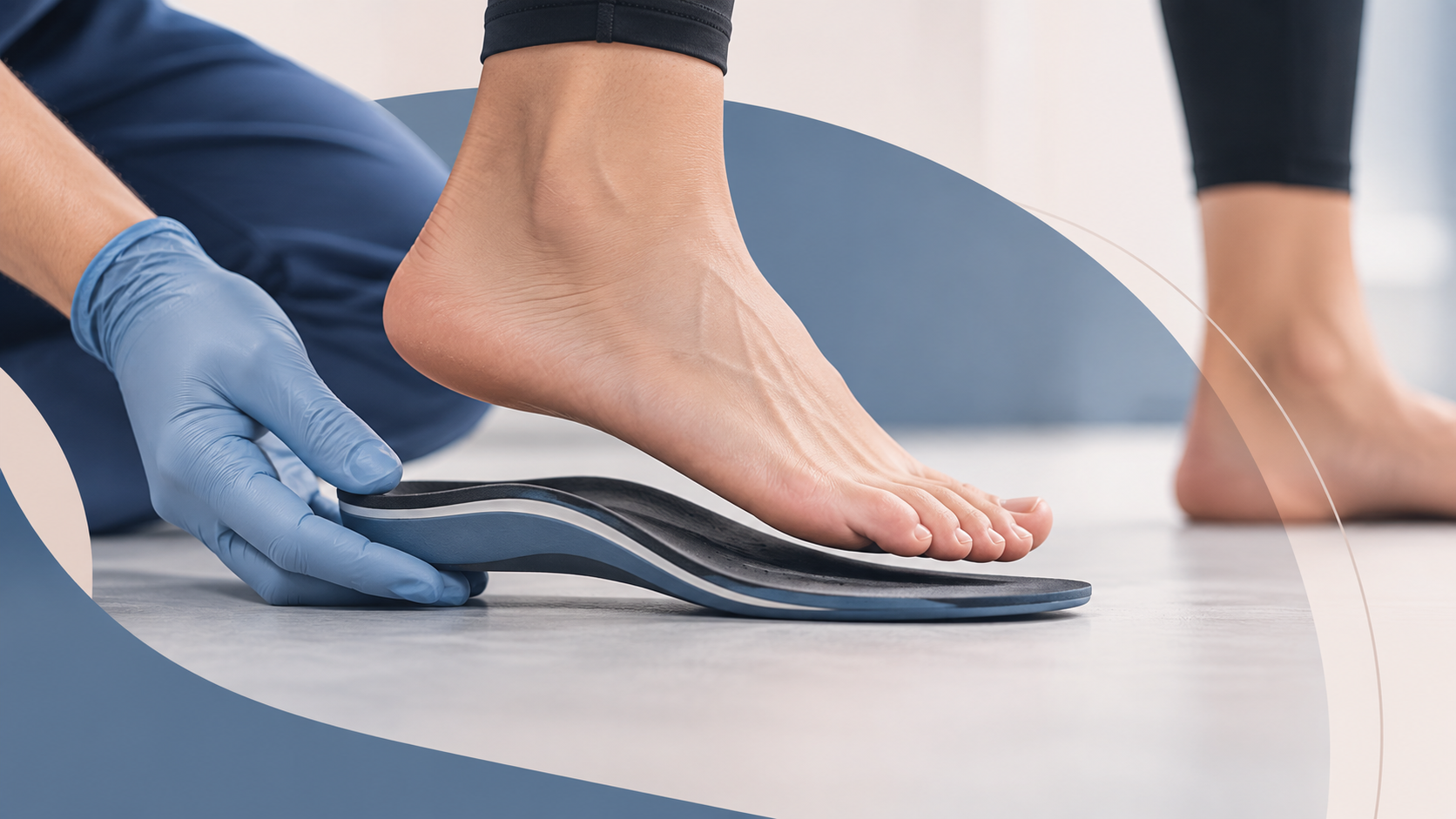
Biomechanics Assessment
Understanding the way you move and why it hurts.
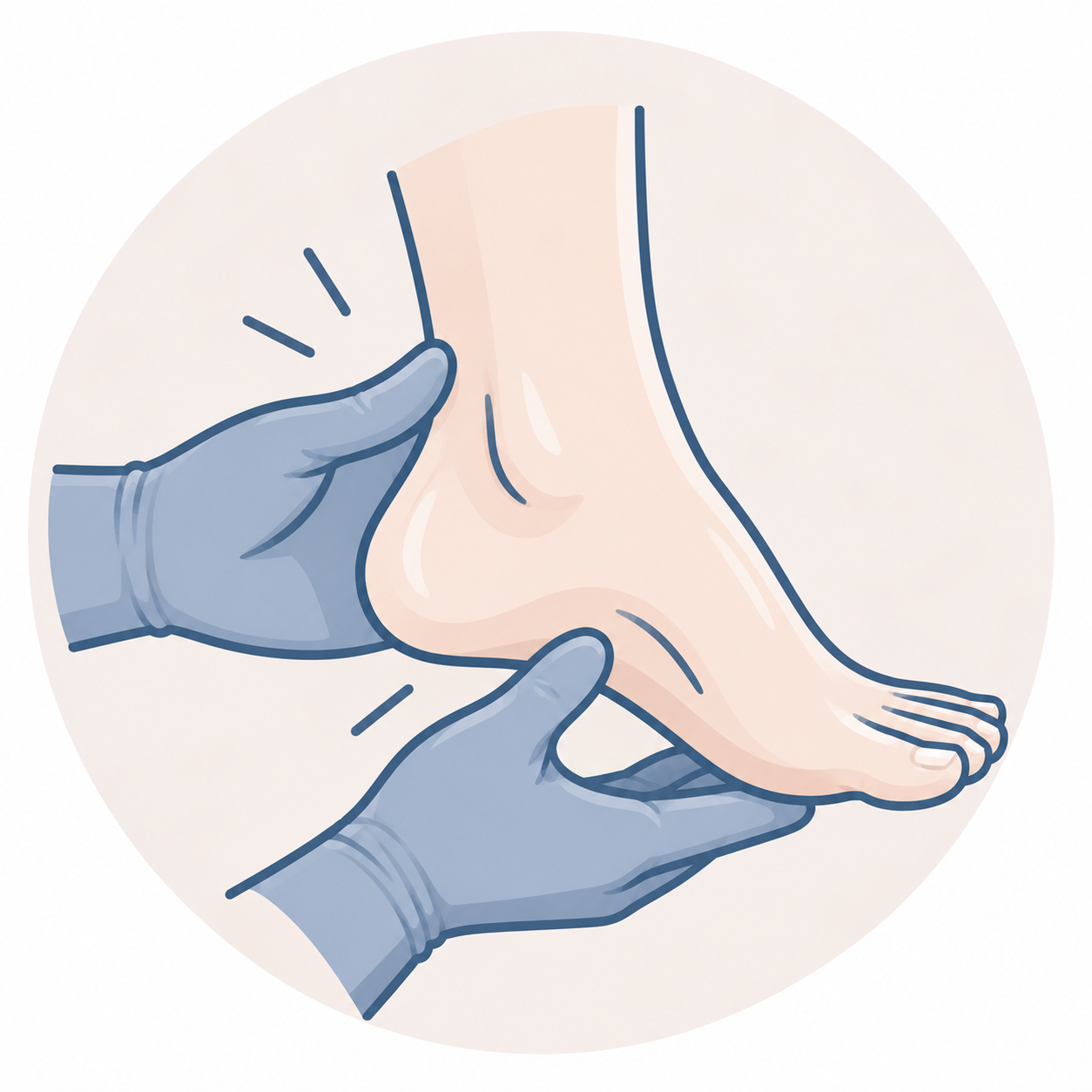
Assessment
We take the time to understand your symptoms, assess your feet and lower limbs, and look at how you stand and move.
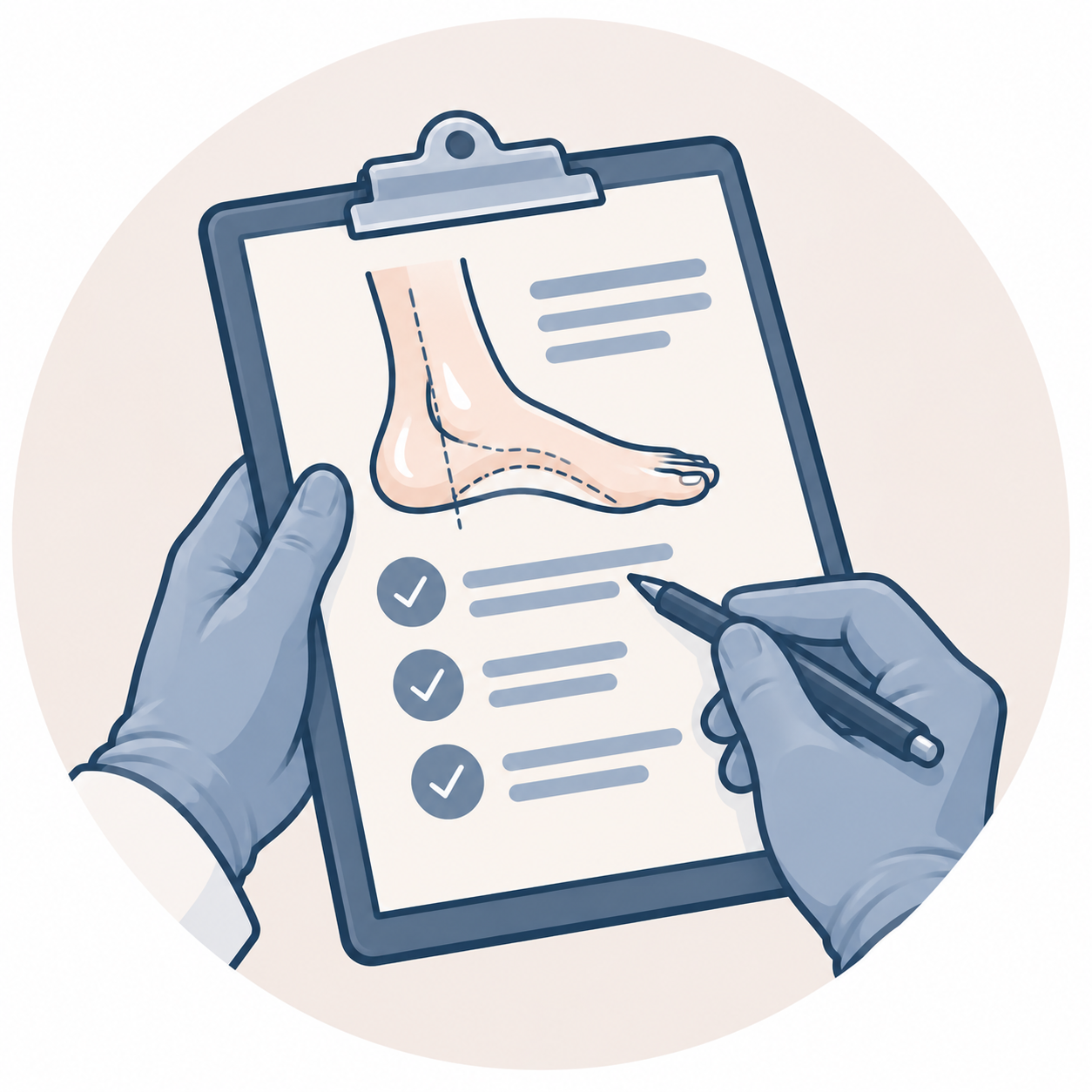
Treatment plan
We explain our findings and create a personalised treatment plan based on your individual needs and goals.
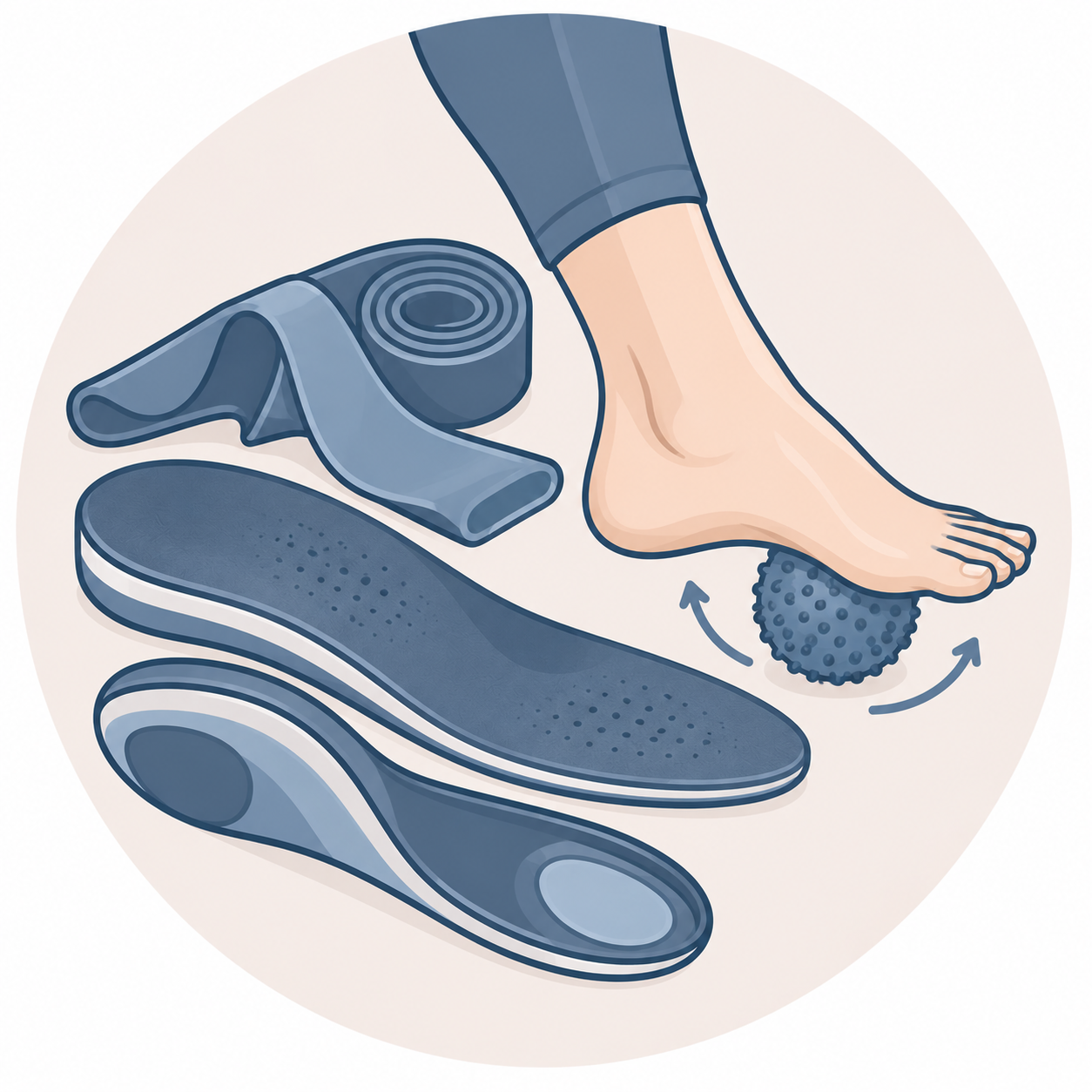
Orthoses & Exercises
Where appropriate, we may recommend orthoses alongside targeted exercises, footwear advice and other treatments to support your recovery.
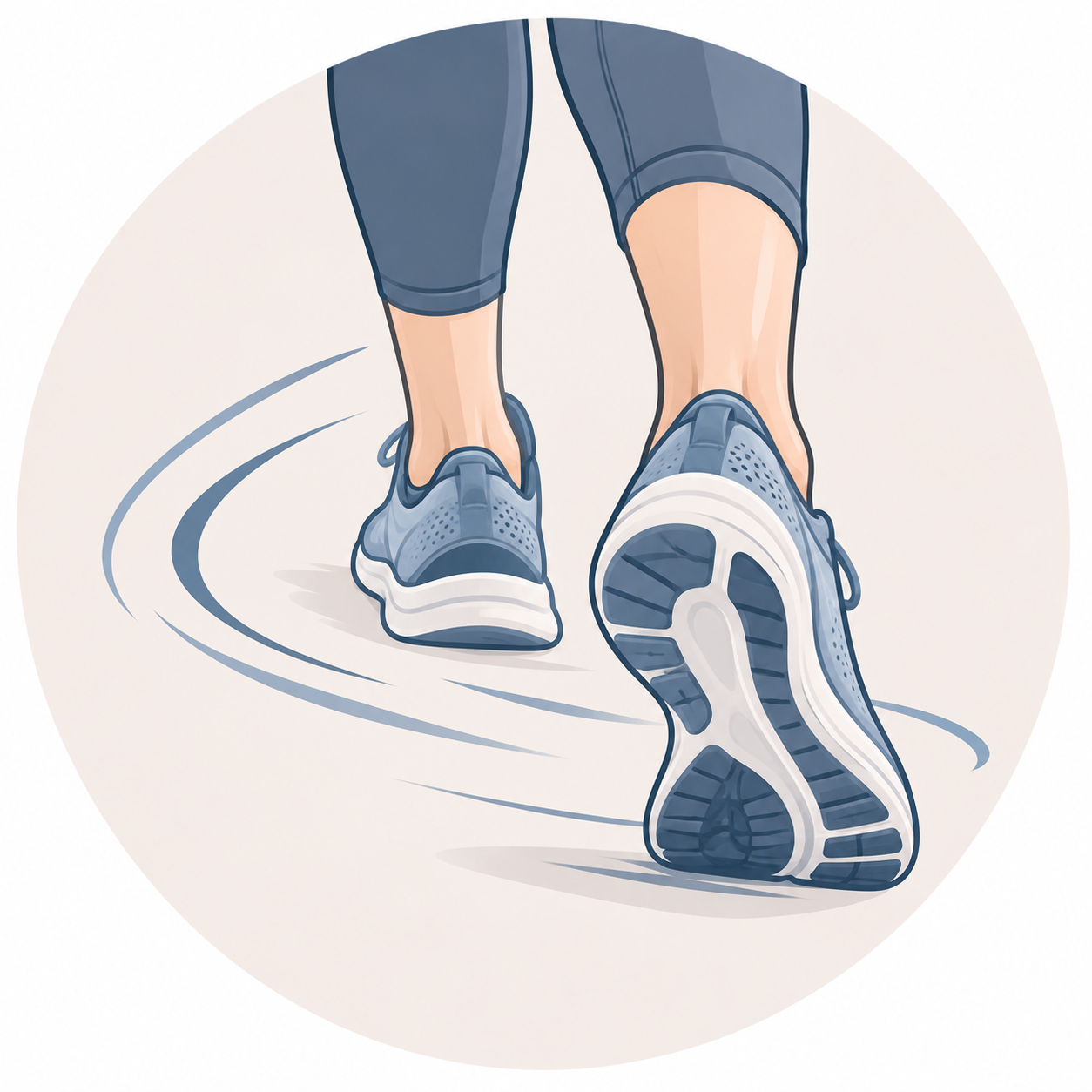
Pain-Free Movement
Our aim is to reduce discomfort, improve function and help you get back to moving confidently and enjoying the activities you love.
Biomechanical Assessment
Pain in your feet, ankles, knees or lower limbs isn't always caused by a problem in the area that hurts. The way your feet function and your body moves can influence how forces travel through your lower limbs.
At Affinity Podiatry, our biomechanics and gait assessments look at how your feet, joints and lower limbs work together to help identify factors that may be contributing to pain, discomfort or difficulty with movement.
-
A biomechanical assessment is an in-depth examination of the structure, movement and function of your feet and lower limbs.
Rather than simply looking at where it hurts, we consider how different parts of the lower limb interact and how this may be affecting the way you stand, walk or move.
Your assessment is tailored to you, your symptoms and your lifestyle.
-
A biomechanical assessment may be helpful if you are experiencing:
Heel or arch pain
Plantar heel pain
Foot or ankle pain
Achilles tendon problems
Shin pain
Knee discomfort
Recurrent lower-limb problems
Pain when walking, running or exercising
Changes in the way you walk
Uneven footwear wear
Concerns about foot posture or function
You don't need to be an athlete to benefit from a biomechanical assessment. Problems can affect anyone, whether you're exercising regularly, standing all day at work or simply finding everyday walking uncomfortable.
-
If foot or lower-limb pain keeps returning, is affecting your activity or you're unsure why you're experiencing discomfort, a biomechanical assessment can help us investigate what may be contributing to it.
You don't need to know what's causing the problem before you book—that's what the assessment is for.
-
We start by talking to you about your symptoms, when they occur and how they affect your daily activities.
Your assessment may then include examination of your joint movement, muscle function, foot posture, lower-limb alignment and gait.
We may assess you both sitting and standing before observing how you walk. This allows us to build a more complete picture of how your feet and lower limbs are functioning.
-
Where you feel pain isn't necessarily where the problem begins.
Your feet form part of a much larger movement system. Changes in foot function, joint mobility, muscle strength or lower-limb mechanics can alter the forces placed on other structures when you walk.
Our aim is to identify relevant contributing factors rather than simply treating the painful area in isolation.
-
Where we identify that additional support, cushioning or alteration of forces may be beneficial, we may recommend an insole or orthotic device.
These are selected according to your individual assessment and may be modified to suit your needs.
The aim isn't simply to "correct" the way your foot looks. Instead, an orthotic device can be used as part of a wider treatment plan to influence forces, improve comfort and help manage symptoms.
-
For your appointment, it's helpful to bring the footwear you wear most regularly, particularly the shoes you use when your symptoms occur.
If your problem is related to a particular sport or activity, bring the footwear you use for that too.
We also recommend wearing or bringing clothing that allows your clinician to easily assess your feet, ankles and lower legs.
-
Once your assessment is complete, we'll explain our findings in a way that's easy to understand and discuss the options that may be appropriate for you.
Depending on your individual findings, your treatment plan may include:
Footwear advice
Activity or load-management advice
Stretching or strengthening exercises
Padding or offloading
Chair-side insoles
Orthoses where appropriate
Further investigation or referral when required
There isn't a one-size-fits-all solution. Not everyone who has a biomechanical assessment needs insoles or orthoses.